In this article 12 sections
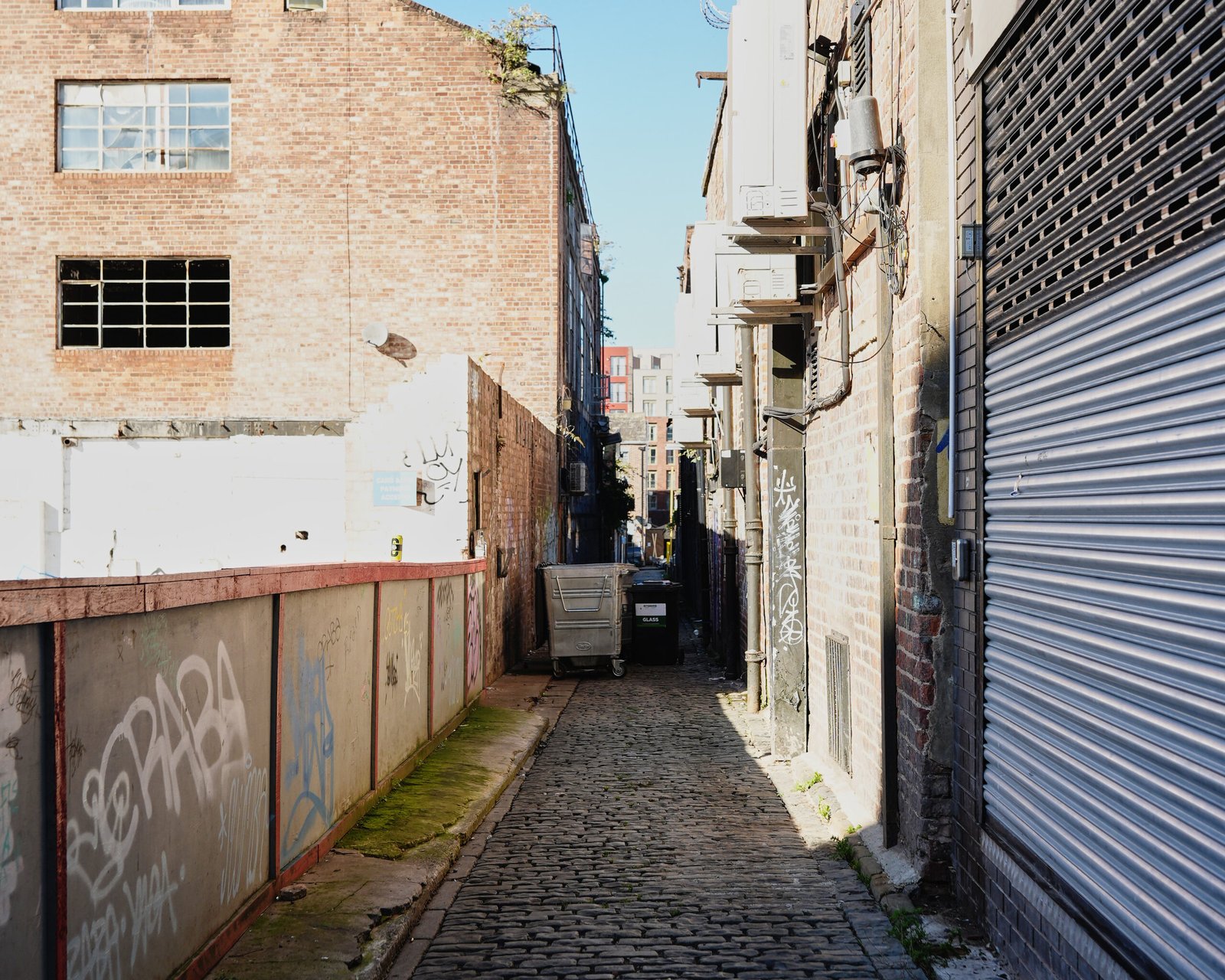
From November, most problems on a commercial site start at the back of the building. Rats and mice move toward bin stores, shaded paving and cladding turn green, the first frosts hit yards that get no sun, and bin runs happen after dark. This article covers nine checks for the service yard, bin store, rear wall and fire exit, what each one involves, and when the job needs a contractor.
Why the rear of the building suffers first
Rear elevations usually face north, face the wall of the next building or sit under a loading bay canopy. From October, paving, steps and cladding in that shade stay wet for days between showers. Algae, frost and slippery surfaces all start there.
The back also holds the site’s waste, deliveries and plant, and few staff walk through it. Food, shelter and little disturbance are what rodents look for when the weather turns cold.
How rodents behave in autumn
Rats and mice rarely arrive from far away. They already live in nearby sewers, embankments, hedges and neighbouring sites. As natural food runs short and the ground gets cold and wet, they move toward bins and buildings.
Four habits decide where to look and what to do. Rats travel along walls, fences and kerbs rather than across open ground, so droppings and smear marks collect there. Brown rats avoid new objects, often for several days, so a bait station placed today may be ignored for a week. A mouse fits through a gap about the width of a pencil and a young rat through one of around 15 mm. Many urban rats live in sewers and enter sites through damaged drains.
That puts prevention first: remove the food, the cover and the way in, then monitor.
1. Bin store
Split bags on the floor, lids that do not close and food left in corners draw rodents more than anything else in the yard. Keep lids shut and bags inside the bins.
Wash the floor of the store as well as the bins. Food residue soaks into concrete and keeps smelling after the spill has been cleared. A weekly scrub with a disinfectant made for waste areas, such as Impact Pine Disinfectant, removes the smell that attracts them. Broken bins and lids are the waste contractor’s responsibility, so report them now.
2. Signs of activity
Once a week, walk the yard along the walls and look at ground level. Signs include droppings, dark greasy smears on brickwork where fur rubs, gnaw marks on bin lids and door edges, and burrows in soft ground beside paving or under slabs.
Record where and when each sign appears. A pest control technician will ask for this first, and dated notes show whether activity is rising or falling.
3. Bait and monitoring points
Place stations along walls and fences, on the routes rodents use, at regular spacing. Number each one and mark it on a simple plan of the yard. A tunnel bait box keeps the contents dry and out of reach of people, pets and other wildlife.
Professional rodenticides in the UK can only be bought with proof of competence. The Campaign for Responsible Rodenticide Use (CRRU) code of practice discourages permanent baiting: monitor first, bait when there is activity and remove the bait when activity stops. Signs inside the building, or near food storage and preparation areas, need a professional.
4. Vegetation and litter
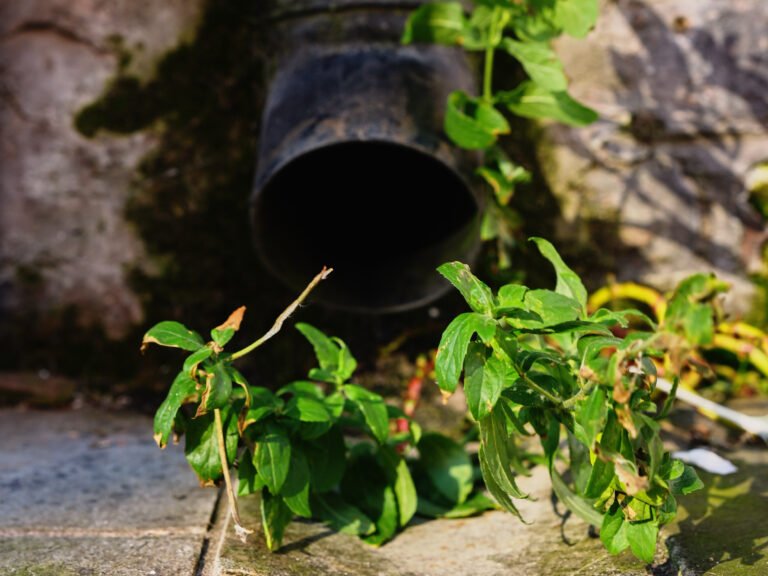
Ivy on the rear wall, brambles behind the bin store and long grass along the fence give rodents covered routes to the building and hide the signs you are checking for. Cut them back to leave a strip of bare ground, gravel or paving along the wall.
November is outside the main bird nesting season, so most nests are empty. Active nests are protected by law all year, so check before cutting.
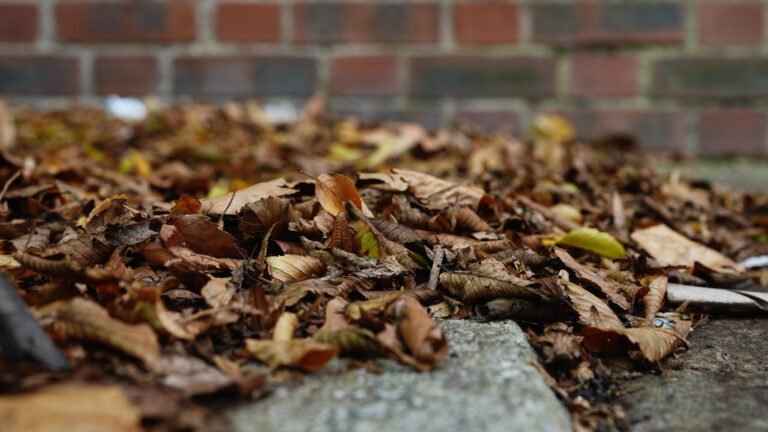
Wind drops litter in the same places: against fences, behind bin stores and in corners between walls. Food packaging feeds rodents and gulls. A weekly round with a litter picker stops it building up.
5. Cladding on the rear elevation
Green growth on cladding is algae, and it grows where panels stay damp. That is why it appears on the shaded side of a building and spreads fastest between October and April. It traps moisture and dirt against the panel and leaves stains after the growth has been removed.
The cleaning method depends on the panel and its coating. High pressure can damage some finishes and seals, and manufacturers’ warranties may specify how panels should be cleaned, so most cladding is washed at low pressure with a suitable detergent. Impact plans cladding cleaning alongside window and gutter cleaning, so the elevation needs one access setup.
6. Fire exit route
The fire exit at the back of most buildings is also used as a smoking area, a delivery door and the route to the bins. Pallets and bags collect beside it, and the paving outside often stays wet and green all winter.
The Regulatory Reform (Fire Safety) Order 2005 requires escape routes to be kept clear and usable. Keep the area in front of the door free of storage, brush the route and treat green patches with a product made for paving, applied evenly with a pump sprayer.
7. Graffiti and spills
Rear walls, shutters and bin store doors are tagged more often than the front because nobody sees it happen. Remove tags within days. Fresh paint comes off more easily, and a wall that stays tagged tends to attract more. Test any graffiti remover on a small area first, especially on painted or coated surfaces.
Delivery vans leave oil in service yards and kitchen bins leave grease. On wet paving after dark, both cause slips. Keep absorbent granules by the back door so spills can be soaked up and swept away the same day.
8. Frost and grit
Shaded yards freeze first and thaw last. The back door can still be icy at 9 am when the front entrance is dry. Water ponding after rain freezes first, so keep yard gullies clear of leaves.
Salt dissolves into moisture on the surface and lowers its freezing point. Spread it the evening before a forecast frost, on paving brushed clear of leaves and standing water. Spread the next morning, it has to work through ice that has already formed, and it works more slowly as temperatures fall further below zero. Store de-icing salt by the back door in a lidded bin so it stays dry.
9. Lighting
Since the clocks went back, the sun sets in Liverpool before 4.30 pm. Bin runs, deliveries and locking up now happen in the dark, on wet ground, often near reversing vans. Check the yard lights work, reset timers that were not changed with the clocks, and give whoever does the late bin run high-visibility clothing.
Checklist
- Bin lids close, no bags on the floor, store floor washed.
- Yard walls checked weekly for droppings, smears, gnaw marks and burrows, with dates recorded.
- Bait or monitoring stations along walls, numbered and marked on a plan.
- Ivy, brambles and long grass cut back from the building, litter cleared from corners.
- Rear cladding checked for green growth and staining.
- Fire exit route clear of storage, brushed and treated.
- Graffiti removed within days, oil and grease spills cleaned up.
- Gullies clear, grit stored dry by the back door.
- Yard lights working, timers reset, high-vis for late bin runs.
Impact Support Solutions grounds maintenance and pest control teams cover Liverpool, Manchester, Chester, Wrexham and the surrounding areas, as a regular visit or a one-off clear-up before winter.