In this article 7 sections
A washroom can be mopped every morning and still smell by lunchtime. The smell comes from urine and other organic soiling that has soaked into grout, the floor around the pan and the base of the urinal, where a mop only cleans the top. Air freshener covers it for an hour. A biological odour neutraliser uses enzymes to break the soiling down, so there is less left to smell.
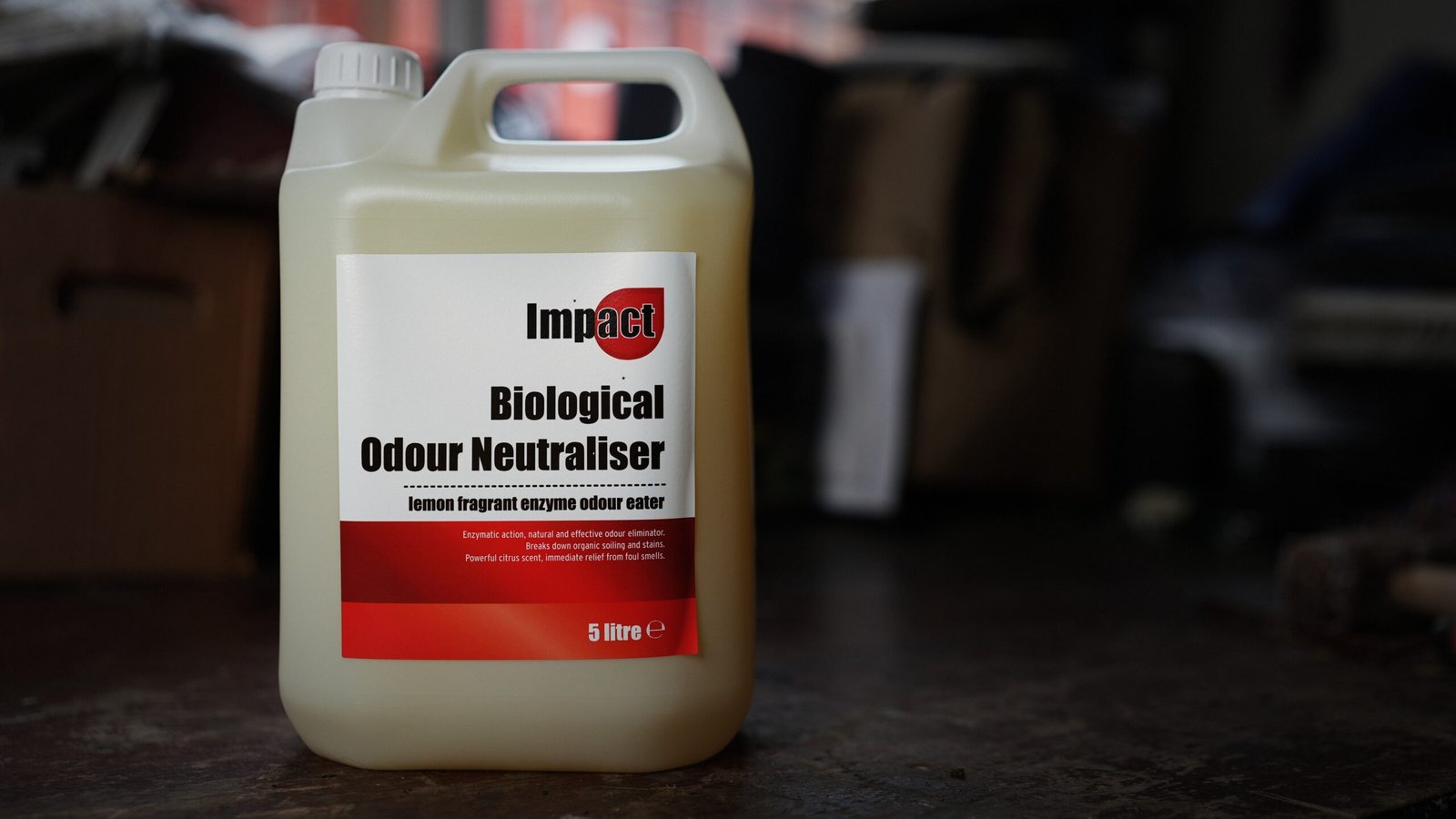
Impact Biological Odour Neutraliser is a 5 litre lemon fragrant enzyme odour eater. The label describes its enzymatic action as a natural and effective odour eliminator that breaks down organic soiling and stains, with a powerful citrus scent that gives immediate relief from foul smells. It is made for washrooms and floors, and it also suits corridors, vehicles, offices and other enclosed shared spaces where a smell changes how clean the place feels.
What makes an odour neutraliser biological?
Most bad smells in a building come from organic matter. Urine, vomit, food waste, spilt milk and body fluids are broken down by bacteria, and that breakdown releases the compounds people smell. While the soiling is there, the smell keeps coming back.
A biological product goes after the soiling itself. Enzymes are proteins that break large organic molecules into smaller ones, a bit like the enzymes in biological washing powder. Some biological products also carry bacterial cultures that keep producing enzymes after the product goes down. In both cases the aim is the same. Digest the residue so it stops feeding the smell.
The Impact product works on two levels. The citrus fragrance improves the air straight away. The enzymatic action works more slowly on the soiling underneath.
Air freshener, deodouriser or biological neutraliser
These three get mixed up, and each one does a different job.
An air freshener adds fragrance to the air. In a clean room it works well. In a room with an active source, the perfume mixes with the smell, and staff stop noticing both after a few minutes while visitors walking in still do.
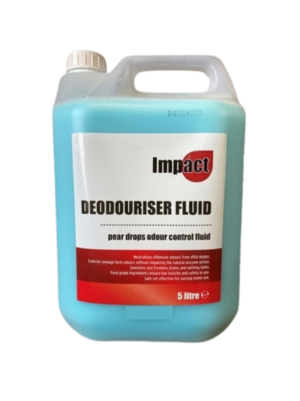
A deodouriser cleans and freshens. Impact Deodouriser Fluid is an acidic fluid, pH 3.7, used at 1:40 for mopping washroom floors and 1:10 for spray and wipe. It is the everyday product for the routine clean.
A biological odour neutraliser treats what the routine clean leaves behind. It is the product for the corner that smells again an hour after mopping, the carpet where something was spilt last week, or the urinal base that never quite comes clean.
A disinfectant is a fourth job. It kills germs on a surface. A biological product does not disinfect, and Impact Biological Odour Neutraliser makes no disinfectant claim.
Where the smell is usually hiding
In a washroom the first place to look is the grout. Urine splashes and drips around WC pans and urinals, runs into the floor joints and dries there. The tile looks clean, but the grout holds the residue. The same happens at the base of the pan and the urinal, where the seal at the floor, the bolts and the back of the pedestal rarely see a mop.
Drains are the next suspect. Organic build up inside the pipe smells on its own, and a floor gully that is rarely used can dry out and let sewer air into the room. Pour a bucket of water into a dry trap first. If the smell goes, the trap was the problem.
In entrance areas the cause is often damp. After a wet week a mat can stay wet underneath and the lobby starts to smell musty. Here the mat and the floor need drying first, because the smell comes from the damp and not from soiling.
Bins collect liquid from food waste at the bottom and under the liner, and it keeps smelling long after the bag is changed. In vehicles and small rooms spills soak into seats and mats, and the closed space makes the smell stronger.
A biological product helps where organic soiling is the cause. It does not fix a broken seal, a blocked drain, a leak or rising damp. If the smell is sewage, rotten eggs or comes back however often you clean, call a plumber or your maintenance contractor.
How to use it, step by step
- Clean the area first. Remove solids, blot up liquid and do the normal clean.
- Rinse off other chemicals. If you have just used bleach, a disinfectant or a sanitiser, rinse with clean water and let the surface dry. Disinfectants can stop biological action.
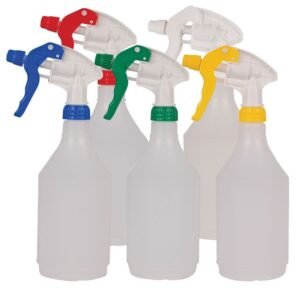
- Dilute it. Mix with cold or lukewarm water in a clean bucket or a labelled 750ml spray bottle. Hot water can damage biological products.
- Test on a hidden spot. On carpet, fabric or anything coloured, try a small area first and check the colour does not move.
- Apply it where the soiling went. On grout and around pan and urinal bases, wet the joints properly. On carpet, the product has to reach as deep as the spill did, so a light mist on top is not enough.
- Leave it to work. Do not wipe it straight off. Enzymes work while the area stays damp.
- Repeat on old soiling. A smell built up over months may need a second or third application.
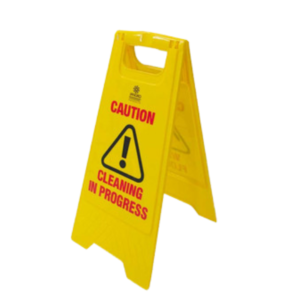
- Keep people off wet floors. Put out a wet floor sign until the floor is dry.
Fitting it into the cleaning routine
Use the deodouriser or your usual floor cleaner for the daily clean. Keep the biological neutraliser for the problem spots, after the clean and at the end of the day, when the room will be quiet long enough for the product to work.
Write the problem spots on the washroom checklist, so they get treated on a set day and not only after a complaint. A spot that needs treating every day is worth a closer look, because it usually points to a leak, a bad seal or a drain that needs attention.
Safety and storage
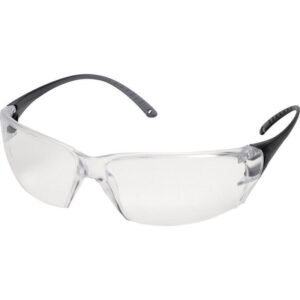
Read the label and the safety data sheet before first use, and keep the safety data sheet with your COSHH records. Wear gloves, and wear safety glasses when you decant or dilute the concentrate.
Never mix it with bleach or other chemicals in the same bucket. Store it in the original container with the cap closed, away from frost and heat, and out of reach of the public.
Questions people ask
Does a biological odour neutraliser just cover up smells?
No. The lemon fragrance gives quick relief, and the enzymatic action breaks down the organic soiling that causes the smell.
Does it kill bacteria or disinfect?
No. Enzymes break down organic matter but do not kill germs. Where a surface must be disinfected, such as after a body fluid spill, follow your site procedure and use a disinfectant as a separate step after rinsing.
Can I use it with bleach?
No. Bleach and disinfectants stop biological action, and mixing chemicals is never safe. Rinse and let the area dry between products.
How long does it take to work?
The fragrance works at once. The enzymes need time and moisture, from minutes on a fresh spill to hours on old soiling in grout or carpet. Old problems often need more than one application.
Does it work on urine smell?
Urine is organic soiling, which is the kind of soiling the product is made to break down. Results depend on reaching it. Urine in grout or carpet backing needs the product to soak in as far as the urine did.
Can I use it on carpet?
Impact lists it under carpet cleaning chemicals as well as floor and washroom products. Test a hidden area first and avoid soaking the carpet more than the spill did.
Can I put it down drains, urinals or toilets?
Drains and sanitaryware are a common use for biological products, because organic build up in pipes and traps is a common source of washroom smell.
Is it the same as Impact Deodouriser Fluid?
No. Deodouriser Fluid is an acidic cleaner for mopping and spray and wipe in washrooms. The biological neutraliser is for odours that stay after cleaning.
Why does the smell come back after using it?
The source is still there. Either the product did not reach all of it, it dried too fast, a disinfectant stopped it working, or the cause is a leak, a dry trap or damp that no cleaning product can fix.
What size does it come in?
A 5 litre container.